In the fast-paced landscape of digital platforms, understanding user retention requires a multidimensional approach that goes beyond conventional metrics. User retention experience mapping is a methodology that allows businesses to visualize, analyze, and optimize the journey of their users, identifying critical touchpoints that influence continued engagement. At its core, this practice combines behavioral analytics, qualitative insights, and strategic design thinking to create a holistic understanding of what keeps users returning, what drives abandonment, and how interventions can be personalized for maximum effect.
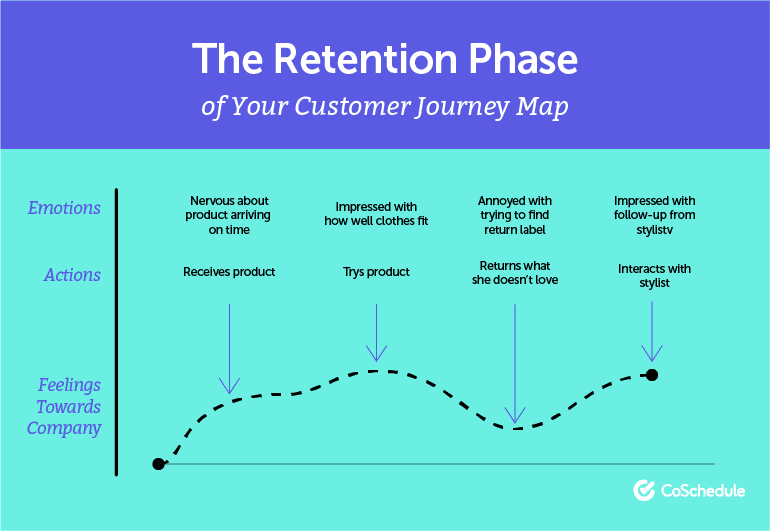
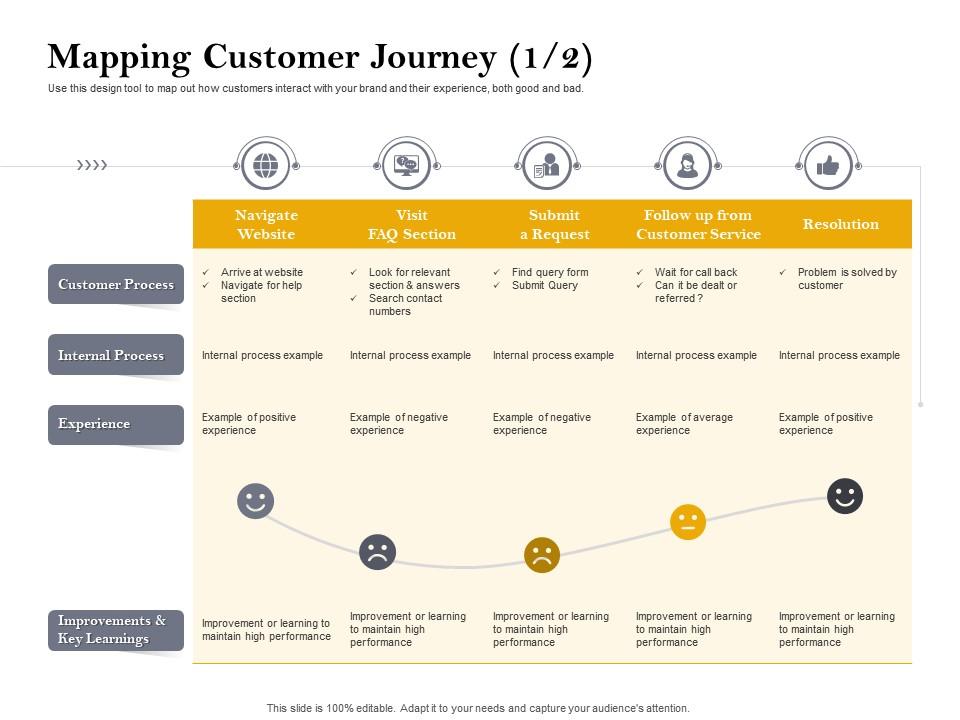
The process begins with a deep dive into user behavior patterns, where data is collected on both quantitative and qualitative aspects of platform interaction. Quantitative metrics such as session duration, frequency of visits, feature usage, and churn rates provide a numerical baseline that helps define patterns of engagement. Complementing these are qualitative insights derived from user feedback, surveys, interviews, and usability tests. These narratives often reveal the underlying motivations, frustrations, and unmet needs that numbers alone cannot capture. By triangulating these data points, product teams can begin to construct a detailed map of the user experience, highlighting stages where engagement peaks or dips.
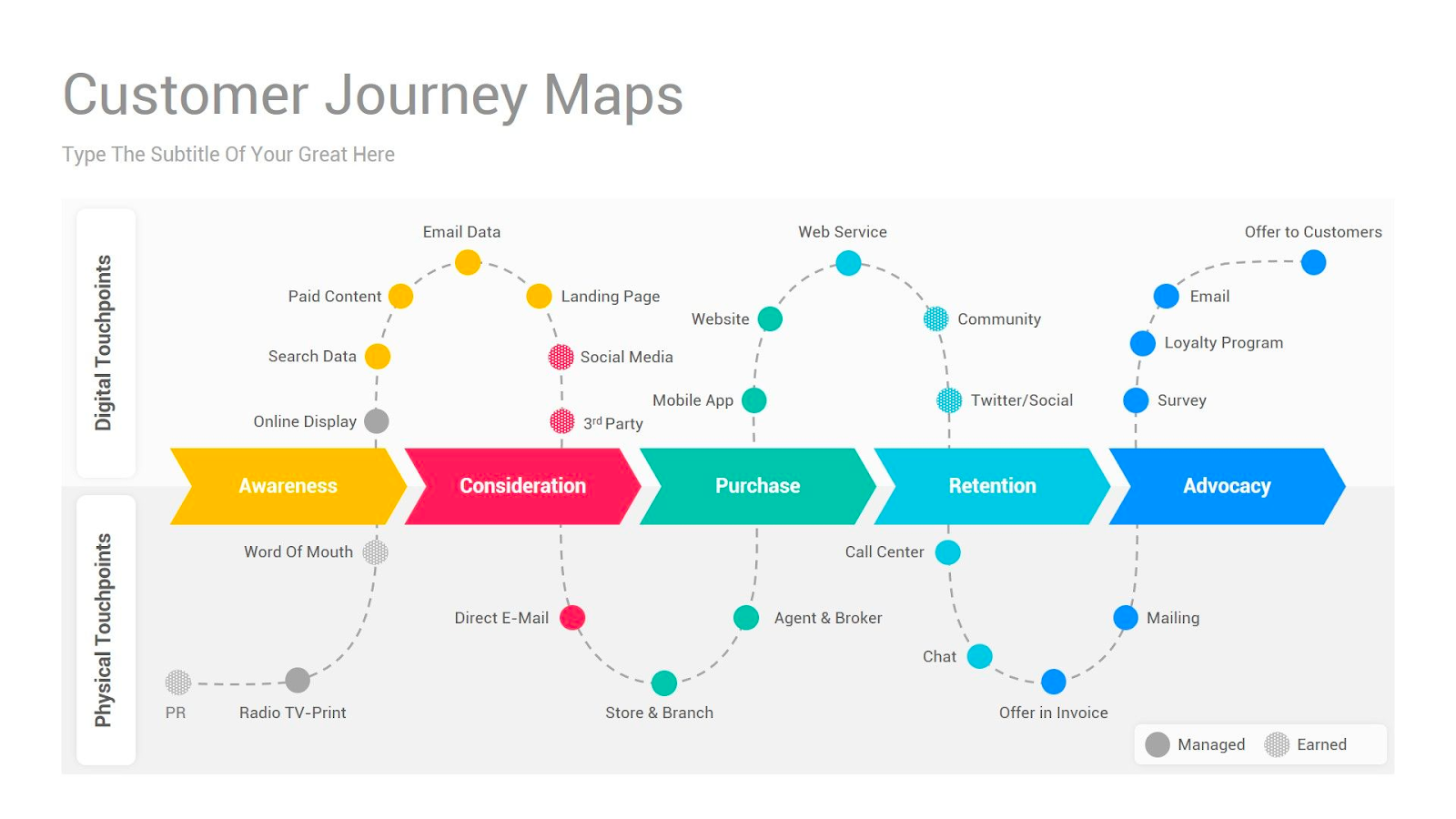
A key component of retention experience mapping is the identification of touchpoints that hold the most influence over user decisions. Touchpoints are moments of interaction between the user and the platform, ranging from onboarding flows and feature exploration to customer support interactions and transactional processes. Not all touchpoints are equally impactful; some serve as critical junctures where a positive experience can significantly increase the likelihood of continued use, while a negative encounter may prompt churn. By categorizing these touchpoints and weighting them according to their influence, organizations can prioritize design and intervention strategies in a targeted manner.
Mapping user experience for retention also involves creating detailed user personas. Personas represent archetypal users with specific goals, behaviors, and pain points, serving as a tool for empathy-driven design. These personas allow teams to simulate different user journeys, anticipating how diverse segments respond to various features, communications, and incentives. For instance, a persona representing a power user may be highly responsive to advanced features and gamified experiences, while a casual user may prioritize ease of access and minimal friction. Designing retention strategies with these nuanced distinctions ensures that efforts are not generic but rather tailored to distinct user needs.
Another crucial aspect is the integration of predictive analytics. By applying machine learning models to historical engagement data, platforms can forecast potential drop-off points and identify users at risk of disengagement. Predictive insights enable preemptive interventions, such as personalized notifications, in-app tutorials, or reward mechanisms, designed to re-engage users before they abandon the platform. This proactive approach contrasts with reactive strategies that address churn only after it occurs, thus maximizing the efficiency of retention initiatives.
Behavioral segmentation further refines the retention map. Users can be grouped based on shared characteristics, such as frequency of interaction, preferred features, or response to marketing campaigns. Each segment may exhibit unique retention dynamics, requiring differentiated approaches. For instance, highly engaged users might benefit from exclusive content or loyalty programs, whereas sporadic users may need simplified navigation or reminder prompts. Segment-specific strategies ensure that retention efforts are neither too broad nor misaligned with user expectations.
The design of interventions must also account for emotional and psychological factors. User retention is not solely about functional satisfaction; it is deeply connected to feelings of trust, belonging, and achievement. Reward systems, gamification, social sharing options, and personalized recommendations can all contribute to a sense of value and recognition, enhancing emotional attachment to the platform. Conversely, experiences that are confusing, inconsistent, or punitive can undermine trust and accelerate attrition. By mapping both rational and emotional elements of the user journey, organizations can create experiences that resonate on multiple levels.
Feedback loops are integral to sustaining effective retention strategies. Continuous monitoring of engagement metrics, coupled with iterative testing of new features or interventions, allows for the ongoing refinement of the user experience. A/B testing, cohort analysis, and real-time analytics provide actionable insights into what works and what does not, enabling teams to adapt quickly to changing user behaviors and preferences. Retention experience mapping is thus not a one-time exercise but a living framework that evolves alongside the platform and its user base.
Cross-functional collaboration enhances the effectiveness of retention mapping. Product managers, UX designers, data analysts, marketers, and customer support teams must work in concert to ensure that insights translate into actionable improvements. Each department contributes a unique perspective, from understanding technical feasibility to communicating value propositions and delivering consistent support. This collaborative approach ensures that retention strategies are holistic and integrated, rather than fragmented or siloed.
Ultimately, the value of user retention experience mapping lies in its ability to provide clarity and focus. It transforms abstract concepts of engagement into concrete visualizations and actionable insights, allowing organizations to allocate resources strategically, prioritize high-impact interventions, and measure the effectiveness of retention initiatives. By adopting a structured, data-informed, and empathetic approach, platforms can cultivate loyalty, increase lifetime user value, and foster sustainable growth. The continuous cycle of mapping, analyzing, intervening, and refining establishes a culture of user-centered optimization, positioning organizations to thrive in competitive digital environments where retention is both a challenge and a critical differentiator.


Be First to Comment